Make it easier to explain what was affected
A contents inventory records the belongings present in an affected room, what happened to them and the information you can provide to your insurer. Clear evidence can reduce missing details when you're speaking with a claims handler, loss adjuster or strata manager.
Our team focuses on property water and mould response. Ask us about site photos, moisture readings and the documentation we can provide for your situation; your insurer decides what evidence it requires and whether the loss is covered.
Inventory of affected contents for insurance claims
These supplied photographs show how household belongings can be laid out, grouped and photographed for a clearer contents record. A photo alone does not establish the cause or extent of damage to an item.
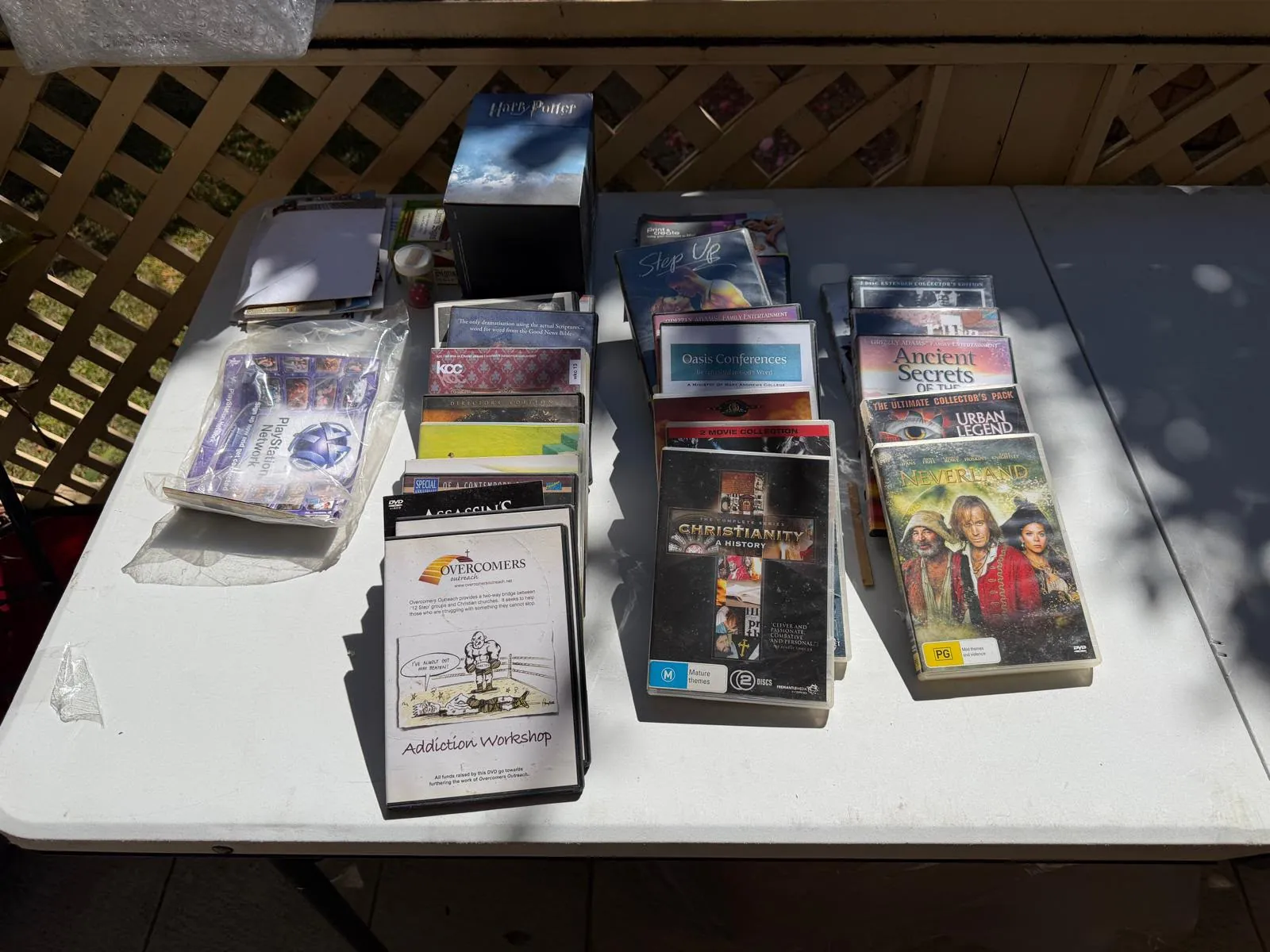
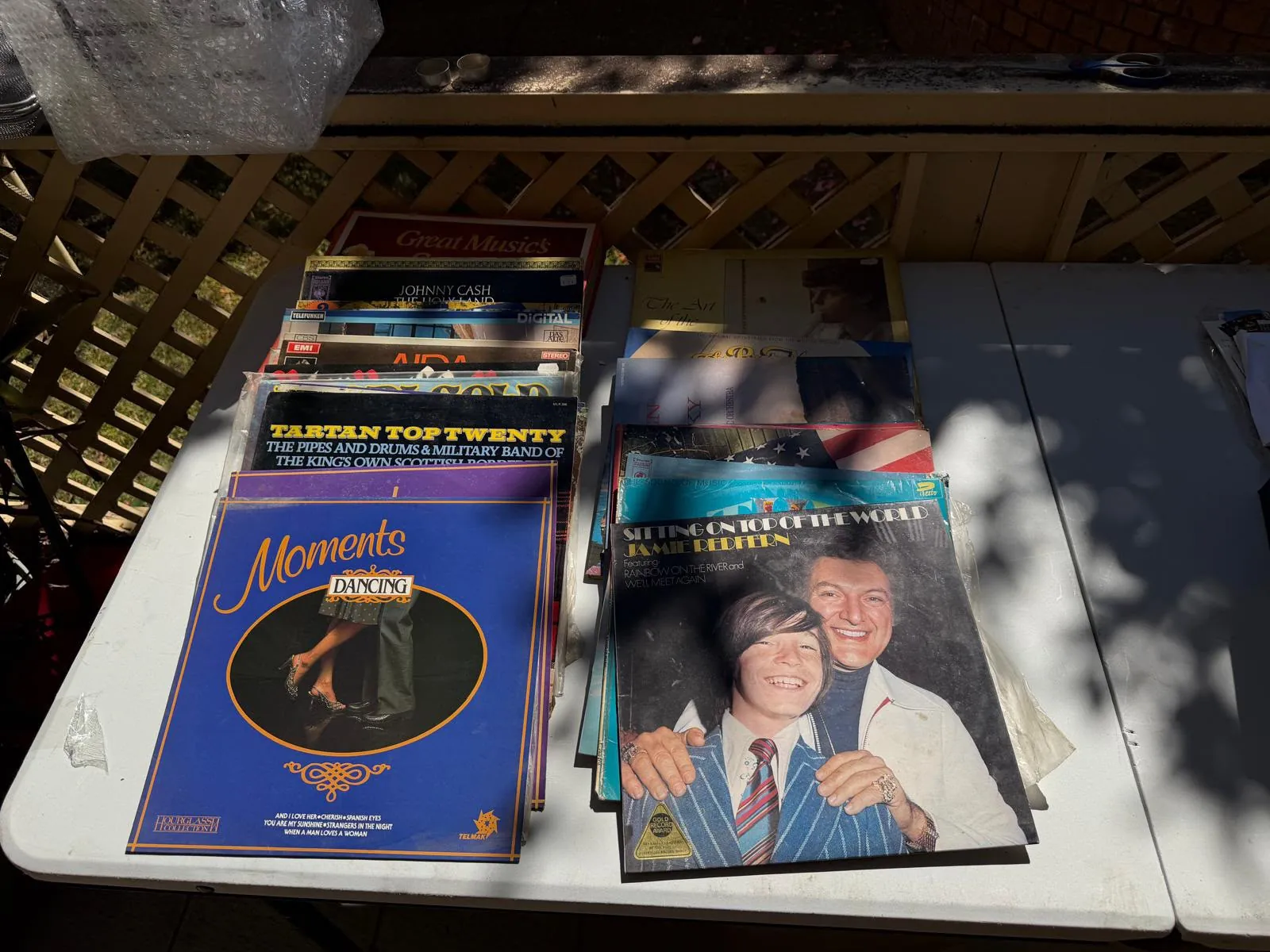
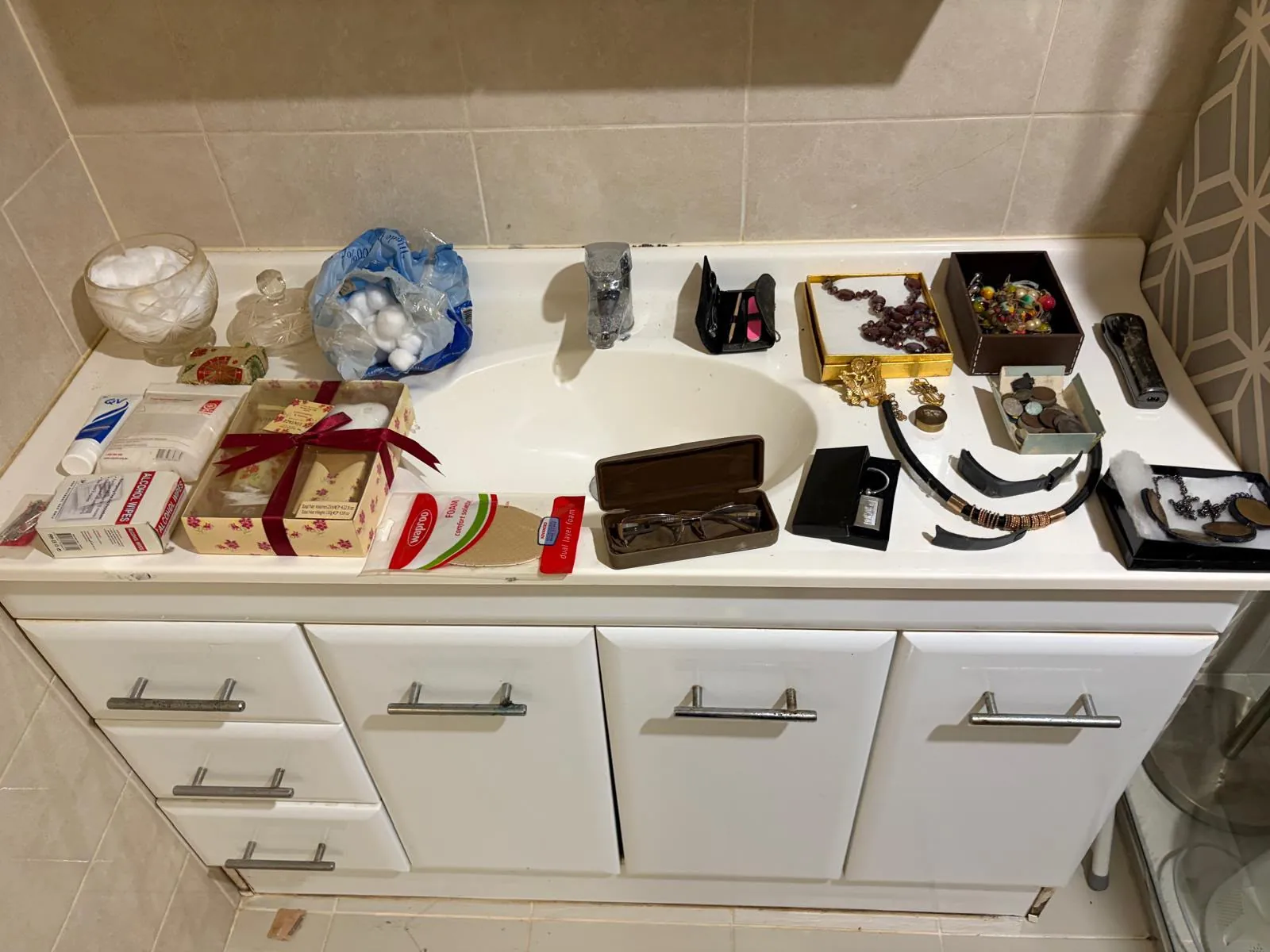
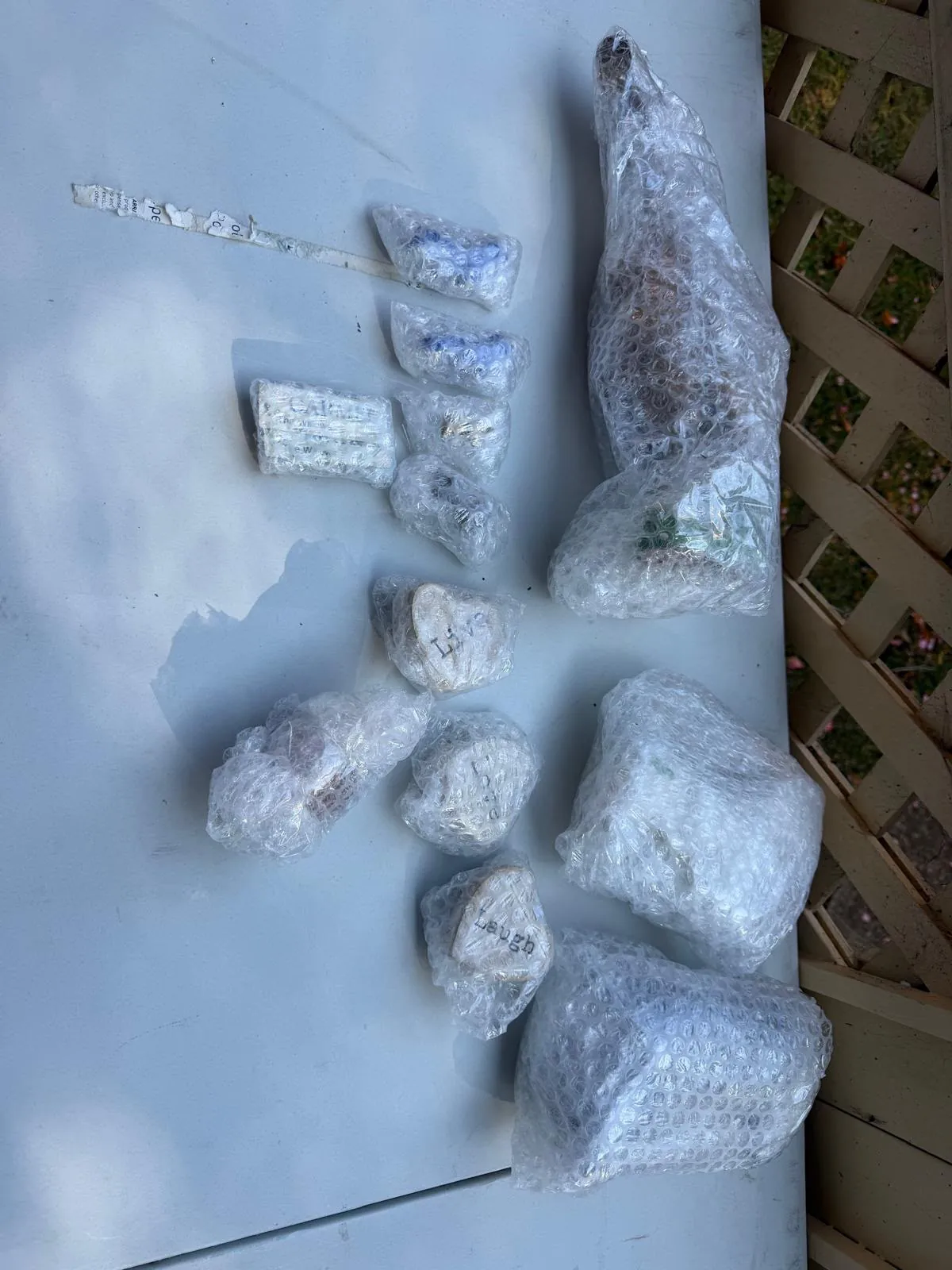
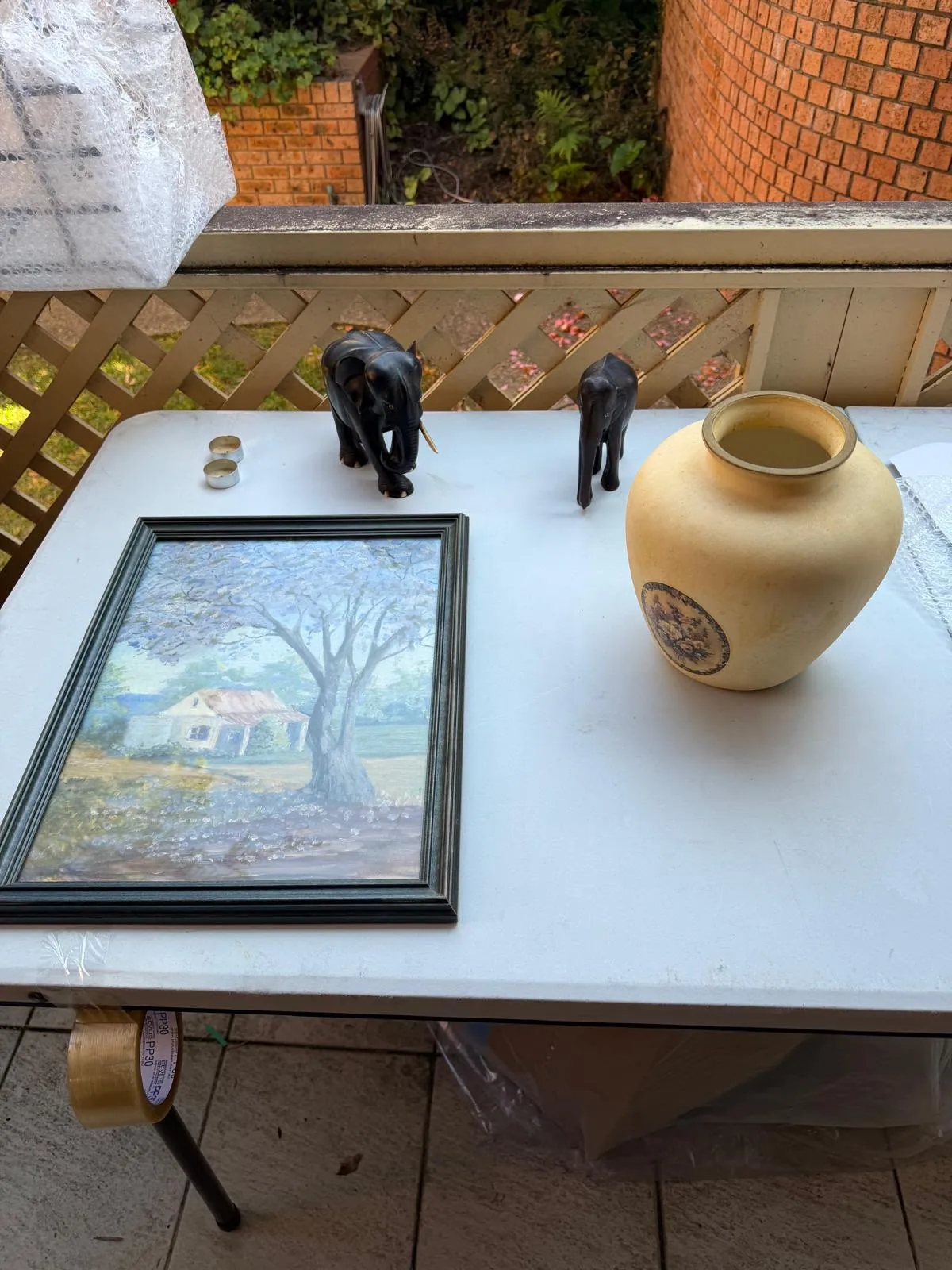
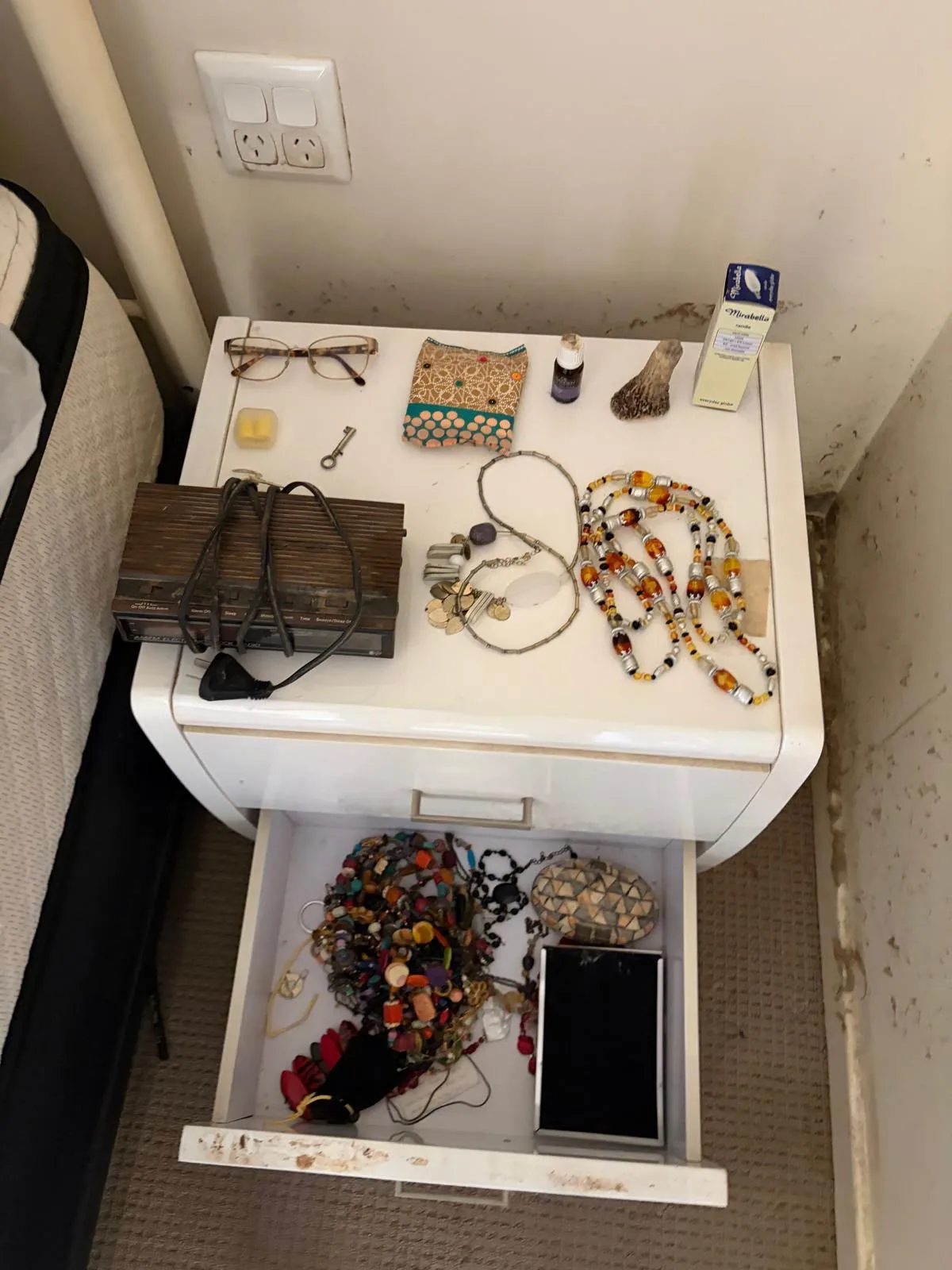
Photography examples only. Claim eligibility, damage assessment and any disposal instructions must be confirmed with the insurer and relevant professionals.
How to prepare a contents inventory
Record the incident
Note the affected address, rooms, date, source of loss where known and any steps taken to prevent further damage.
Photograph room by room
Take wide room photos before moving items when safe, then close-ups of labels, damage and identifying marks.
Build an item list
For each item, record a description, quantity, location, approximate age and any ownership or value evidence available.
Confirm next steps
Contact the insurer before arranging non-urgent disposal, replacement or repairs, unless immediate safety action is necessary.
Property damage evidence that can accompany the inventory
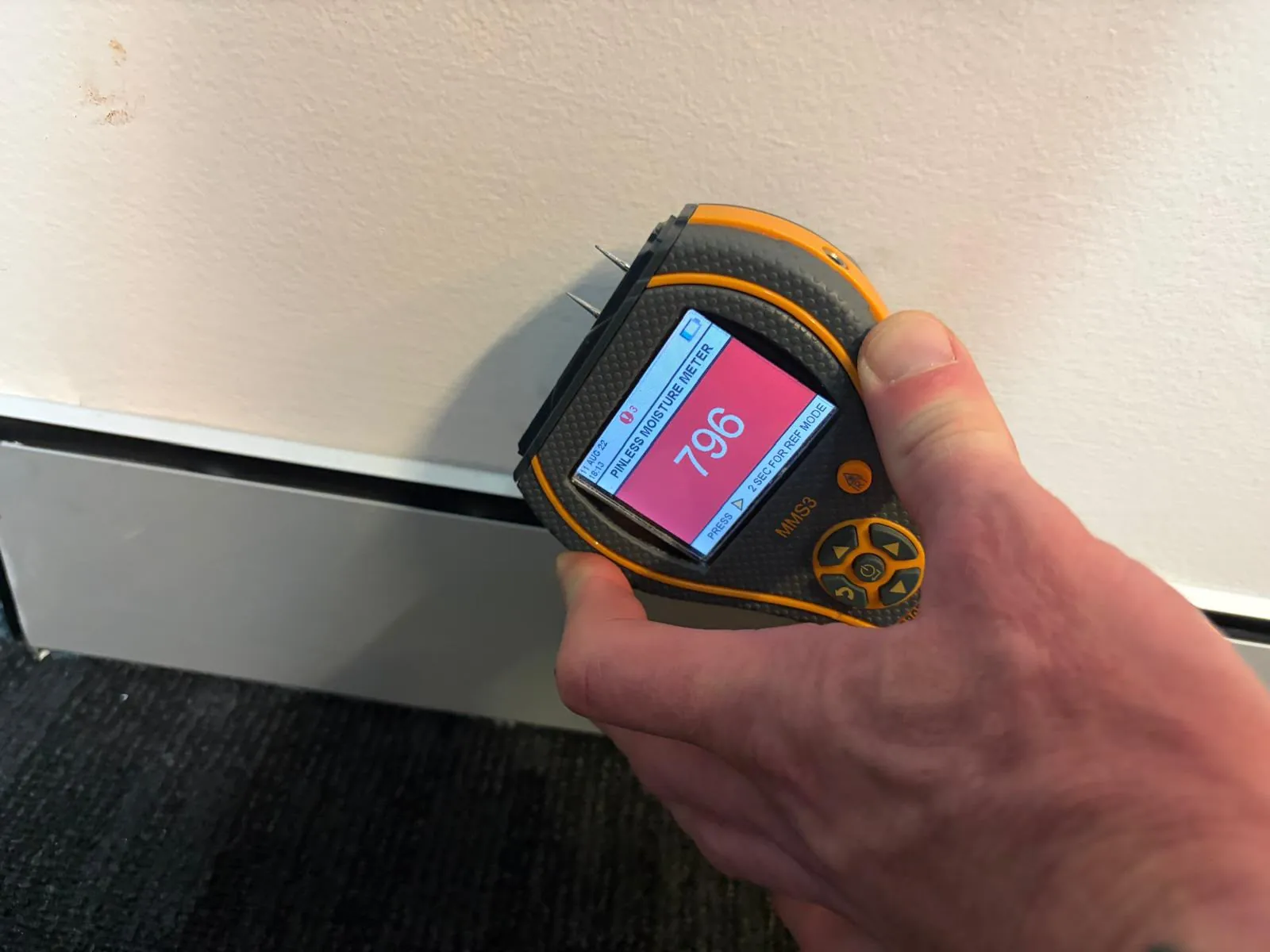
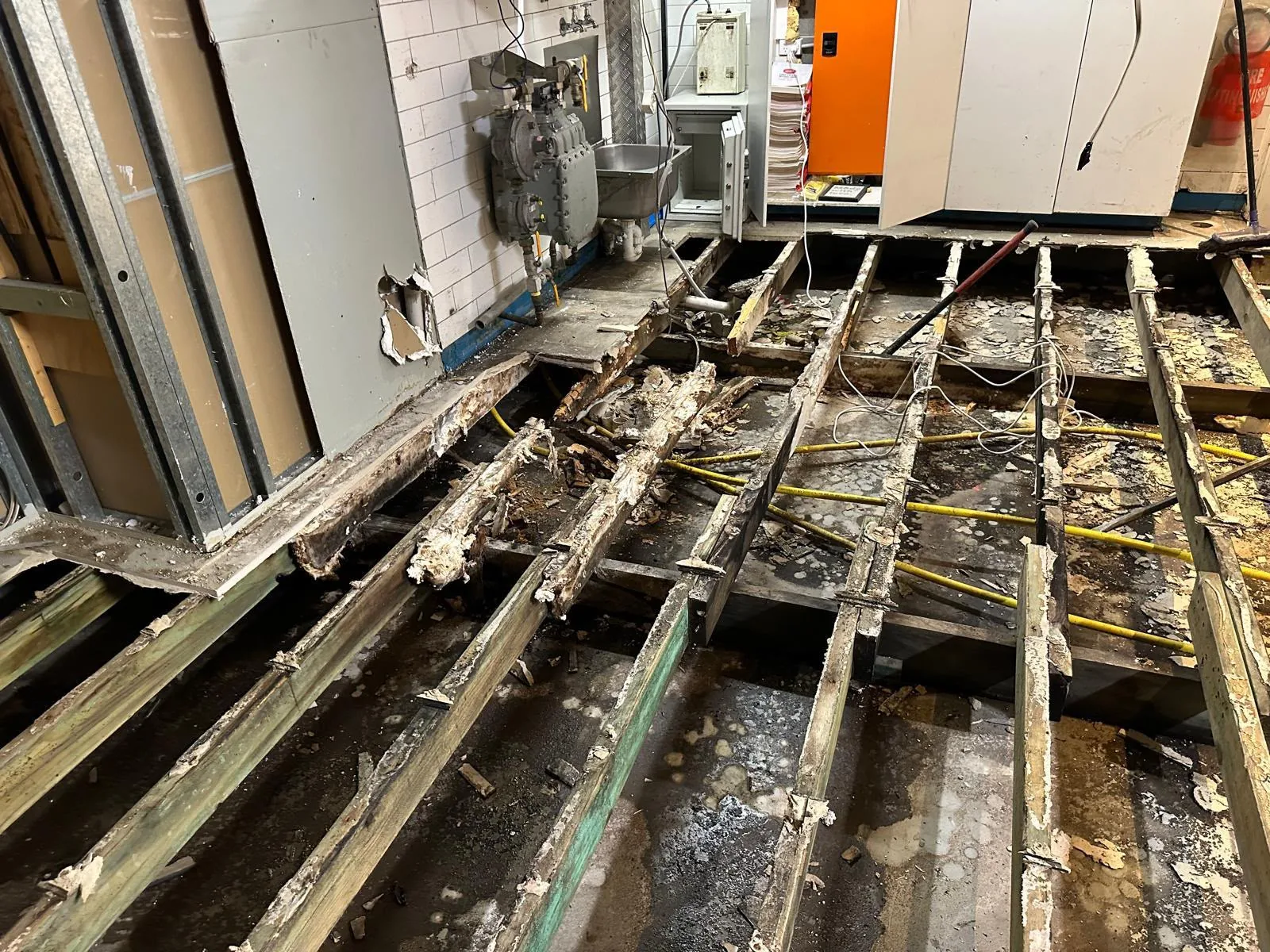
For water and mould incidents, photographs and moisture records can complement a contents list. For fire or smoke incidents, ask the relevant specialist about fire-damage assessment; we do not represent these photos as fire-restoration work.
Read our water damage insurance evidence checklist →Insurance contents inventory FAQs
What should be included in a contents inventory?
Include an item description, quantity, room, photos, visible damage, approximate age and any receipts, serial numbers or other ownership evidence that you have. Ask your insurer if it has a preferred template.
Can mould-, flood- and fire-affected belongings be listed?
Yes. You can create a photographic record of belongings affected by water, mould, smoke or fire. The appropriate safety, cleaning and disposal advice depends on the incident and the insurer's instructions.
Should I throw away water- or mould-damaged items?
Where safe, document belongings before disposal and ask your insurer what to retain. If items present an immediate health or safety hazard, seek appropriate advice first.
Will taking photos guarantee that the insurer pays?
No. Coverage, policy limits and what evidence is accepted are decided by the insurer, not the restoration contractor.
Talk to the Sydney water & mould response team
For urgent water damage, wet carpet, moisture concerns or insurance-friendly documentation, tell us what happened and which suburb you're in.